 ethos
ethos
Bloodshot Eyes and Conjunctivitis
24-08-2026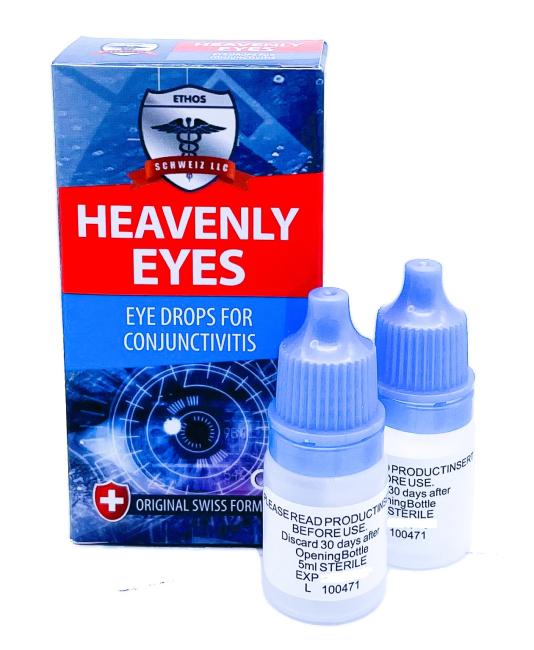
Bloodshot Eyes and Conjunctivitis: Causes, Care, and When to Use Eye Drops
It's hard to miss. You look in the mirror and, whatever colour your eyes are normally, it's the redness that catches your attention first. Red is a warning colour for a reason, and bloodshot eyes are your body's way of flagging that something around the surface of your eye needs attention.
What causes bloodshot eyes?
"Red eye" happens when the small blood vessels on the surface of the eye (the conjunctiva) swell or dilate. In most cases it isn't painful, though it can be accompanied by grittiness, itching or watering. A single night of poor sleep, too much alcohol, or a long day staring at a screen can bring it on, and it usually settles on its own once the underlying cause is addressed. A few causes come up again and again:
Contact lenses. Lenses are worn against a delicate part of the eye, and problems with fit, cleaning, or wear time can irritate the eye or introduce infection. Sticking to your optician's guidelines on wear time, hygiene and replacement schedules is the best prevention, and any lens-related infection should be checked by an optician or pharmacist.
Allergies. Pollen, pet dander, dust and other allergens can inflame the eyes, causing redness, itching and watering. Identifying and avoiding the trigger, alongside antihistamine eye drops where appropriate, is the usual approach.
Dry eye. Long hours in front of a screen, air conditioning, or simply not producing enough natural tears can leave the eyes dry, irritated and red. Lubricating eye drops and regular screen breaks (the 20-20-20 rule — every 20 minutes, look at something 20 feet away for 20 seconds) can help.
Conjunctivitis ("pink eye"). Inflammation of the conjunctiva caused by a virus, bacteria, or an allergic reaction.
Conjunctivitis: not all red eye is the same
Conjunctivitis is one of the most common causes of red eye, but it isn't a single condition — and the cause matters for treatment:
Viral conjunctivitis is the most common type, often accompanies a cold, and usually clears on its own within one to two weeks. Antibiotics have no effect on it.
Bacterial conjunctivitis typically causes a thicker, sticky or pus-like discharge and is the type that responds to antibiotic eye drops.
Allergic conjunctivitis causes itching and watering in both eyes, usually alongside other allergy symptoms, and is not contagious.
Discharge that sticks to the lashes usually points to an infective (viral or bacterial) cause, and these forms are contagious, so good hand hygiene and avoiding sharing towels or pillows is worthwhile while symptoms last.
According to NHS guidance, most cases of conjunctivitis can be managed at home with cool, clean water to bathe the eyelids and a pharmacist's advice on suitable drops. You should see a GP or optometrist if symptoms haven't improved after seven days, if you wear contact lenses and have eyelid swelling or pain, or seek urgent care for eye pain, sensitivity to light, sudden vision changes, or a very red eye. A baby under one month old with red or sticky eyes should be seen by a doctor straight away.
About Ethos Heavenly Eyes Conjunctivitis Eye Drops
Ethos Heavenly Eyes Conjunctivitis Eye Drops combine chloramphenicol 0.5%, an antibiotic, with N-Acetyl-Carnosine (an antioxidant), plus glycerin and hydroxypropyl methylcellulose as lubricants, in sterile water with boric acid and purified benzyl alcohol.
Because chloramphenicol is an antibiotic, it's formulated to treat conjunctivitis caused by bacteria — it won't have any effect on a viral infection, and won't address allergic redness beyond the soothing effect of the lubricating ingredients. If you're not sure which type of conjunctivitis you have, a pharmacist can usually tell from your symptoms, or advise you to see a doctor if it's unclear.
As with any chloramphenicol eye drop, general good practice applies:
Wash your hands before and after applying drops, and avoid letting the dropper tip touch your eye or skin.
Remove contact lenses before use and leave them out until your eyes have recovered; if you wear soft lenses, NHS guidance recommends waiting 24 hours after your last dose before putting them back in.
Antibiotic eye drops are intended for a short course to clear an active infection rather than ongoing daily use — follow the instructions in the pack leaflet, and speak to a pharmacist or doctor if there's no improvement within a couple of days, or if symptoms worsen.
Chloramphenicol isn't suitable for everyone — anyone with a known allergy to it, or a family history of certain blood disorders, should avoid it, and it's worth mentioning any existing eye conditions (such as glaucoma) or other eye treatments to a pharmacist before starting.
Once opened, eye drops should generally be stored as directed on the pack and discarded after the stated period (commonly four weeks) to avoid contamination.
If in doubt, the patient information leaflet included with the product, or a quick conversation with your pharmacist, is the most reliable source for how and how long to use it.
Looking after your eyes more generally
Red eye isn't usually something to worry about, but it shouldn't be ignored either. Regular eye checks help catch problems early, good contact lens hygiene prevents a lot of avoidable irritation, and giving your eyes a break from screens goes a long way toward preventing dryness and strain in the first place. When you do need eye drops, look for a product suited to the actual cause of your redness, check the ingredients, and don't hesitate to ask a pharmacist if you're unsure which type of eye drop is right for your symptoms.
This article is for general information and isn't a substitute for professional medical advice. If your symptoms are severe, don't improve, or you're concerned, speak to a pharmacist, optometrist or GP.