 ethos
Cataract Surgery Cost Wait Risks 2026
04-09-2026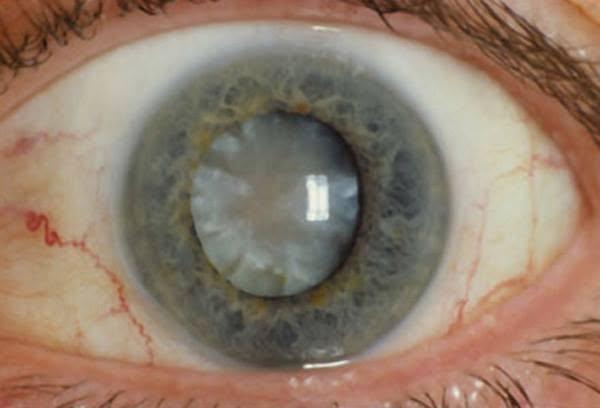
Cataract Surgery: The Procedure, the Cost, the Wait, and the Risks
Cataracts are one of those conditions almost everyone encounters eventually — by age 80, more than half of people in the US and UK will have one, according to national eye health bodies on both sides of the Atlantic. The good news is that cataract surgery is one of the most common, safest, and most effective procedures in modern medicine. The less good news is that what it costs, how long you wait for it, and how risky it is for you personally depends heavily on where you live, whether you go private or public, and your own health picture. Here's a plain-English rundown of all of it.
What actually happens during cataract surgery
A cataract is a clouding of the eye's natural lens, and surgery simply replaces that cloudy lens with a clear artificial one. The standard technique used today is called phacoemulsification. The surgeon numbs the eye with anaesthetic drops (a general anaesthetic is rarely needed), makes a tiny incision in the cornea, and uses a probe that emits ultrasound waves to break the clouded lens into small fragments. Those fragments are gently suctioned out, and a folded intraocular lens (IOL) — a permanent, artificial replacement lens — is inserted through the same small incision and unfolds into place.
The operation itself typically takes only 10 to 15 minutes, though you should expect to be at the clinic for a few hours once you account for preparation, eye drops, and monitoring afterward. Most people feel little to no pain, and you're awake throughout, able to hear the surgeon but not really see much detail due to the bright lights and drops. It's normally done as day surgery — you go home the same day.
Recovery is generally quick. Vision often improves within a day or two, though full healing and stabilisation can take up to four weeks. In that time you'll use prescribed eye drops, avoid rubbing the eye, keep water and soap out of it, wear a protective shield at night, and skip strenuous exercise or swimming for a week or two. Studies consistently show around 97% of patients experience improved vision afterward, which is part of why it's regarded as such a reliable procedure.
What it costs in the US
In the US, cataract surgery is usually billed per eye, and the price swings a lot depending on your insurance status and the lens you choose.
Without insurance, a standard procedure with a basic monofocal lens typically runs $3,000 to $6,000 per eye. If you're on Medicare, the picture changes considerably: because cataract surgery with a standard IOL is classed as medically necessary, Medicare Part B covers 80% of the approved cost after your deductible, which usually leaves you with out-of-pocket costs of roughly $400 to $600 per eye. Private insurance plans work similarly, generally covering the bulk of a medically necessary procedure, leaving you with a copay or coinsurance amount.
Where costs climb is with premium options. If you want a lens that reduces your dependence on glasses, expect to pay extra out of pocket even with insurance:
Toric lenses (correcting astigmatism) typically add $1,000 to $2,500 per eye.
Multifocal or extended-depth-of-focus lenses (correcting near, intermediate, and distance vision) typically add $2,000 to $3,500 per eye.
Laser-assisted (rather than manual) surgery can add a further $800 to $1,500 per eye.
So a straightforward, insured, medically necessary surgery might cost you a few hundred dollars, while an uninsured procedure with premium lenses in both eyes could run into five figures.
What it costs in the UK: NHS versus private
In the UK, the headline difference is that cataract surgery is available completely free at the point of use through the NHS, provided it's assessed as clinically necessary — meaning your vision is affecting your daily life, driving, or safety. For most people, this is simply a matter of time rather than money (more on that below).
Going private is entirely optional and is chosen mainly to skip the waiting list or to access premium lens technology the NHS doesn't routinely fund. Private cataract surgery in the UK generally costs £2,900 to £4,300 per eye, all-inclusive of the surgeon's fee, theatre costs, the lens, anaesthesia, and aftercare:
A standard monofocal lens sits at the lower end, around £2,900.
An extended-depth-of-focus (EDOF) lens, offering both intermediate and distance vision, is around £3,800.
A premium multifocal lens, offering the greatest freedom from glasses, is around £4,300.
Since these prices are per eye, most people needing both eyes done privately should budget roughly double, with the two operations usually scheduled one to two weeks apart.
NHS waiting times
This is where the US and UK experiences diverge most sharply. NHS cataract surgery is measured against England's 18-week Referral-to-Treatment (RTT) target, but as of late 2025 only around 62% of all NHS patients (across all specialties) were being treated within that 18-week window, against a target of 92% — so waits considerably longer than 18 weeks are common in practice.
For cataracts specifically, routine waits in England typically fall somewhere between 8 and 22 weeks from referral to surgery, though this varies enormously by NHS trust and region. Urgent cases are usually prioritised and seen faster. Elsewhere in the UK, waits tend to run longer: commonly 10 to 26 weeks in Scotland, 14 to 36 weeks in Wales, and historically 26 weeks or more — sometimes well over a year — in Northern Ireland. If you need both eyes done and they're listed together, the second eye is often done within 4 to 12 weeks of the first; if listed separately, it effectively restarts the clock.
These figures move around with NHS capacity and funding, so if timing matters to you, it's worth asking your optometrist or GP for the current wait at your local trust — some areas use independent-sector treatment centres to move patients through faster, and waits can differ substantially even between neighbouring towns.
The risks — and why age and health conditions matter
Cataract surgery has an excellent safety record, and one of its genuine advantages is how well it's tolerated by older patients. Because the eye is largely self-contained, most conditions affecting the rest of the body have relatively little bearing on how the surgery itself goes, and it's done under local anaesthetic drops rather than a general anaesthetic, avoiding the added risks that come with putting an elderly patient fully under. Surgeons regularly and successfully operate on patients in their late 80s and 90s, and blood-thinning medication usually doesn't need to be stopped beforehand, which simplifies preparation considerably. Age on its own is not considered a reason to avoid the surgery.
That said, "generally very safe" isn't the same as "risk-free," and certain underlying conditions do raise the odds of complications or change how surgery is planned:
Diabetes is the most significant one. Diabetic patients face a higher risk of complications such as bleeding inside the eye, slower healing, and worsening of diabetic retinopathy or macular oedema (swelling at the back of the eye) after surgery. Good blood sugar control before and after the operation meaningfully reduces these risks, so surgeons will usually want your diabetes well-managed going in.
Glaucoma, high myopia (short-sightedness), and eyes with unusual anatomy (very deep-set, small pupils, previous eye trauma) increase the risk of complications during the operation itself, including tearing of the thin membrane that holds the new lens in place, which can require additional steps to fix.
Cardiovascular disease, high blood pressure, and vascular conditions raise the risk of bleeding complications, including the rare but serious event of haemorrhage inside the eye.
Very advanced age (85+), along with poor eyelid hygiene or blepharitis, modestly raises the risk of endophthalmitis — a serious infection inside the eye. It remains uncommon, but it's the complication surgeons watch for most closely with strict sterile technique and antibiotic drops.
Beyond these, there are complications that can affect anyone regardless of age or health: posterior capsule opacification (a clouding of the membrane behind the new lens, affecting a meaningful minority of patients months or years later, but easily fixed with a quick laser procedure), swelling of the retina's central area (cystoid macular oedema, in roughly 1–2% of modern surgeries), and, rarely, retinal detachment.
None of this is a reason to avoid surgery if you need it — for the vast majority of people, including those who are older or managing chronic conditions, the benefits comfortably outweigh the risks, and cataracts left untreated only worsen over time. It's simply why your surgeon will review your health history and current medications carefully beforehand, and why disclosing conditions like diabetes, glaucoma, or blood pressure problems honestly at your assessment matters more than it might for many other elective procedures.
The bottom line
If you're in the US, your cost will hinge almost entirely on your insurance status and how much lens technology you want — from a few hundred dollars with Medicare and a standard lens, up to $10,000+ uninsured with premium lenses in both eyes. If you're in the UK, the NHS route costs nothing but currently means a wait that's commonly two to five months (and sometimes considerably longer, depending on where you live), while going private costs roughly £2,900–£4,300 per eye but gets you seen far faster. And wherever you are, age alone is rarely a barrier — it's specific conditions like diabetes, glaucoma, or cardiovascular disease that your surgeon will want to manage carefully, not the number of candles on your last birthday cake.
As ever, this is general information rather than personal medical advice — an ophthalmologist who can examine your eyes and review your health history is the only person who can tell you what applies to your specific situation.