 ethos
ethos
Glaucoma What You Need to Know
30-08-2026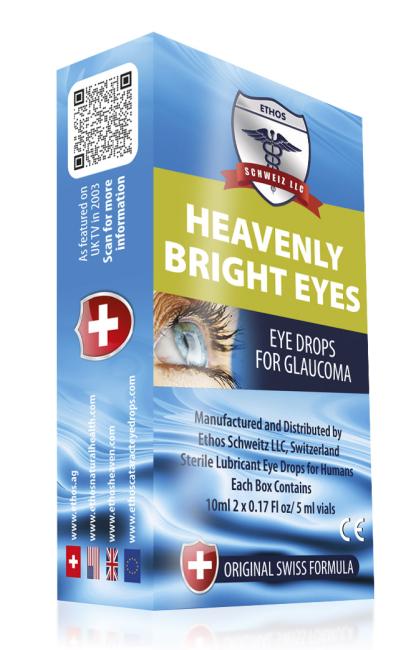
Glaucoma: The Silent Thief of Sight — What You Need to Know
Glaucoma is one of the leading causes of blindness worldwide, yet most people don't realise they have it until vision loss has already begun. That's because it tends to develop so gradually that early damage often goes unnoticed — and it can strike at any age.
Who Is at Risk?
The single greatest risk factor for glaucoma is ocular hypertension — a condition where the pressure inside your eye is higher than normal. While glaucoma is most commonly associated with older age, nobody is exempt. Newborns and young adults can be affected too, and a family history of eye disease raises your risk further.
The numbers are sobering: it's estimated that around three million Americans and nine million Europeans live with glaucoma, yet only about half of them know they have it.
The Two Main Types of Glaucoma
Open-angle (chronic) glaucoma is the most common form. It develops slowly and painlessly over years, with few or no early symptoms — which is exactly why it earned the nickname "the sneak thief of sight."
Angle-closure (acute) glaucoma is less common but can come on suddenly, with symptoms such as severe eye pain, blurred vision, and bad headaches. Because it can escalate quickly, sudden symptoms like these need urgent attention from an eye care professional.
Why Early Detection Matters
There is currently no cure for glaucoma, but its progression can often be managed when it's caught early — which is why regular eye exams are so important. Once vision is lost to glaucoma, the damaged visual field is very difficult, if not impossible, to recover. Left untreated, glaucoma can lead to blindness.
Glaucoma affects roughly 1 in 200 people aged fifty and younger, rising to around 1 in 10 people over the age of seventy-nine. An annual eye exam remains the single best way to protect your sight — don't let ignorance be the reason you lose it.
Where Ethos Bright Eyes Fits In
For 23 years, Ethos Bright Eyes NAC Eye Drops have been formulated with people concerned about glaucoma and long-term eye health in mind. They're designed to be used as part of a broader eye care routine — alongside, not instead of, regular checkups and any treatment plan prescribed by your optician or ophthalmologist.
If you have glaucoma or are at higher risk, the most important steps are still the medical basics: get your eyes tested regularly, follow your specialist's advice, and seek prompt attention if you notice sudden changes in your vision or eye pain. Ethos Bright Eyes eye drops can be a supportive addition to that routine for those looking to take a proactive approach to their eye comfort and wellbeing.
Early detection is your best defence. Book that eye exam — your future sight may depend on it.