 ethos
ethos
Healthy Eating Matters and Cataracts
02-09-2026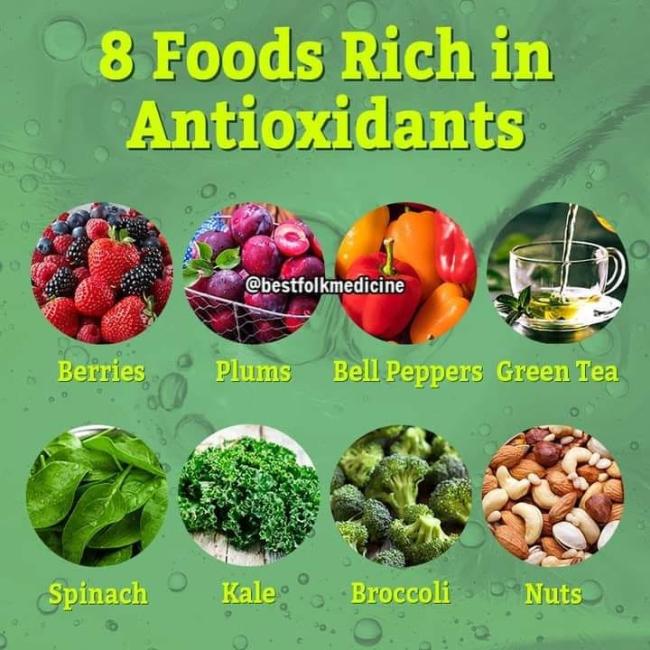
Why Healthy Eating Matters When You Have Cataracts
A cataract diagnosis often sends people straight to Google to search for a magic fix, and it's worth saying plainly up front: diet cannot dissolve a cataract that has already formed. Surgery is currently the only way to remove a cataract once it clouds the lens. But that doesn't mean food is irrelevant. What you eat plays a real role in the biology behind cataracts — and a lifetime of research points to one nutrient category in particular: antioxidants.
The link between antioxidants and cataracts
The lens of your eye is unusually vulnerable to a process called oxidative stress. Every day, exposure to UV light, normal metabolism, and simply aging generate unstable molecules called free radicals inside the lens. Left unchecked, these free radicals damage the proteins (crystallins) that keep the lens clear, causing them to clump together. That clumping is what eventually clouds the lens into what we call a cataract.
Antioxidants are the body's defense against this damage. Nutrients like vitamin C, vitamin E, selenium, and the carotenoids lutein and zeaxanthin neutralize free radicals before they can harm the lens. Large observational studies have consistently found that people with higher dietary intake of these antioxidants, particularly vitamin C and lutein/zeaxanthin, tend to have a lower risk of developing age-related cataracts. Research is still working out exactly how much benefit a single nutrient provides on its own, since results from controlled supplement trials have been mixed, but the overall pattern connecting antioxidant-rich diets to eye health has held up well over decades of study.
Why this still matters after a diagnosis
If you already have a cataract, healthy eating remains worthwhile for a few practical reasons:
An antioxidant-rich diet may help slow further clouding and protect your other eye, since cataracts often develop separately in each eye and at different rates. General eye health also benefits from many of the same nutrients that protect against cataracts, including reduced risk of macular degeneration. And healthy eating supports faster healing and better overall outcomes if and when you do have cataract surgery, since good nutrition affects tissue repair and general recovery capacity.
In short: food isn't a substitute for treatment, but it's a meaningful part of protecting your vision over the long run.
Foods high in antioxidants for eye health
Here are antioxidant-rich foods that nutrition and ophthalmology research most often connects to eye and lens health:
Citrus fruits (oranges, grapefruit, lemons) — rich in vitamin C, the antioxidant most concentrated in the eye's fluid and one of the most strongly linked to lower cataract risk.
Bell peppers — among the highest vitamin C sources per serving, along with beta-carotene.
Broccoli — combines vitamin C with sulforaphane, another antioxidant compound.
Leafy greens (spinach, kale, chard, collard greens) — packed with lutein and zeaxanthin, the two carotenoids that concentrate directly in eye tissue.
Eggs — a well-absorbed source of lutein and zeaxanthin, plus zinc.
Corn and peas — additional plant sources of lutein and zeaxanthin.
Berries (blueberries, strawberries, raspberries) — high in vitamin C and flavonoids, another class of protective antioxidant plant compounds.
Almonds and sunflower seeds — among the best food sources of vitamin E, which protects the fatty membranes in and around the lens from oxidative damage.
Avocados — provide vitamin E along with healthy fats that help the body absorb other antioxidants.
Nuts and seeds generally (walnuts, Brazil nuts, chia seeds) — contribute vitamin E and selenium, a mineral that supports the eye's own antioxidant enzyme systems.
Seafood (salmon, sardines, mackerel) — provide selenium and omega-3 fatty acids, which support the anti-inflammatory side of eye health.
Carrots and sweet potatoes — good sources of beta-carotene, a vitamin A precursor that supports the retina and overall eye tissue health.
Tea and dark chocolate — contain flavonoids, plant antioxidants increasingly studied for a role in eye protection.
Building it into your routine
You don't need to overhaul your diet overnight or chase a single "superfood." Research consistently favors dietary patterns over isolated nutrients, and a Mediterranean-style diet — heavy on vegetables, fruit, nuts, seeds, whole grains, and fish, light on processed food — is the pattern most often recommended for eye health. Aim to get antioxidants from food first rather than supplements, since studies on high-dose antioxidant supplements haven't shown the same consistent benefit as antioxidant-rich eating patterns, and some supplements can carry risks at high doses.
If you have cataracts or a family history of them, talk to your eye doctor about your overall eye health plan. Diet is one piece of a larger picture that includes regular eye exams, UV protection, and, when needed, surgery or Ethos Cataract Eye Drops