 ethos
What to Eat for Healthier Vision
15-11-2026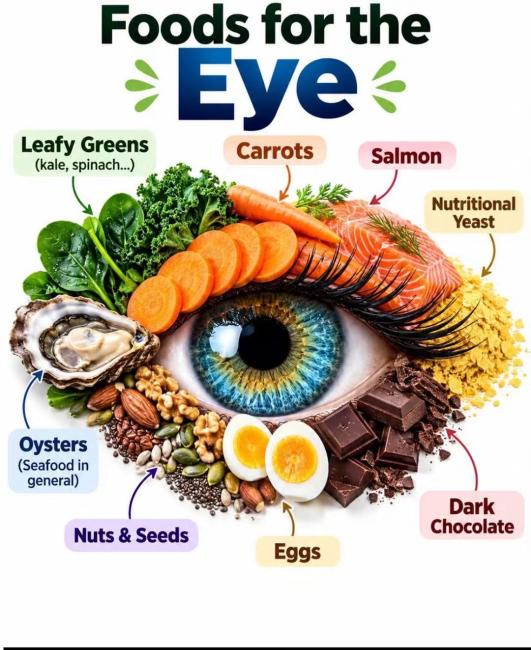
We tend to think about our eyes only when something goes wrong: a blurry road sign, a new prescription, tired eyes after a long day at the screen. But what you put on your plate plays a quiet, steady role in how well your eyes age. Here are eight foods worth adding to your shopping list, and what each one brings to the table.
Leafy greens
Kale, spinach and collard greens are rich in lutein and zeaxanthin, two pigments that collect in the macula, the part of the retina responsible for sharp, central vision. They act like natural sunglasses, filtering blue light and mopping up damaging free radicals. Diets high in these nutrients are linked to a lower risk of age-related macular degeneration (AMD) and cataracts. A handful of spinach in a smoothie is an easy start.
Carrots
The old claim that carrots help you see in the dark is an exaggeration (it was partly wartime propaganda), but there's truth underneath it. Carrots are packed with beta-carotene, which the body converts into vitamin A. Vitamin A is essential for making rhodopsin, the pigment that helps your eyes adjust to low light.
Salmon
Oily fish like salmon, mackerel and sardines supply omega-3 fatty acids, especially DHA, a major building block of the retina. Omega-3s may also ease dry eye symptoms. Aim for two portions of oily fish a week.
Nutritional yeast
A favourite among plant-based eaters, nutritional yeast is loaded with B vitamins, and fortified versions are a reliable source of B12. Research has linked vitamins B6, B12 and folate to a lower risk of AMD. Sprinkle it on popcorn, pasta or roasted vegetables for a cheesy, savoury kick.
Oysters and other seafood
Oysters are one of the richest food sources of zinc. Zinc helps carry vitamin A from the liver to the retina, where it's used to make melanin, a protective pigment. Crab, prawns and lobster contribute too.
Nuts and seeds
Almonds, walnuts, sunflower seeds, pumpkin seeds and chia are a convenient source of vitamin E, an antioxidant that helps protect eye cells from damage. Walnuts and chia add plant-based omega-3s as well. A small handful makes a perfect snack.
Eggs
Egg yolks contain lutein and zeaxanthin in a form the body absorbs especially well, thanks to the fat in the yolk. They also provide zinc and vitamin A, covering several bases in one small package.
Dark chocolate
Here's the treat. Dark chocolate (70% cocoa or higher) contains flavanols, antioxidants that may support healthy blood flow, including to the eyes. A few small studies have found short-term improvements in contrast sensitivity, though the evidence is still early. Enjoy a square or two, but don't mistake it for a health food.
The bigger picture
No single food is a magic bullet. The landmark AREDS2 studies found that a combination of nutrients (vitamins C and E, zinc, copper, lutein and zeaxanthin) slowed the progression of advanced AMD. A varied, colourful diet, combined with not smoking, wearing UV-protective sunglasses and having regular eye tests, is the best way to look after your sight for years to come.